Washington Is Running Out of Time to Avoid a Shutdown
Negotiators are still talking, but federal agencies have begun preparing for a lapse in funding as disagreements over spending levels, emergency programs and the next budget deal remain unresolved.

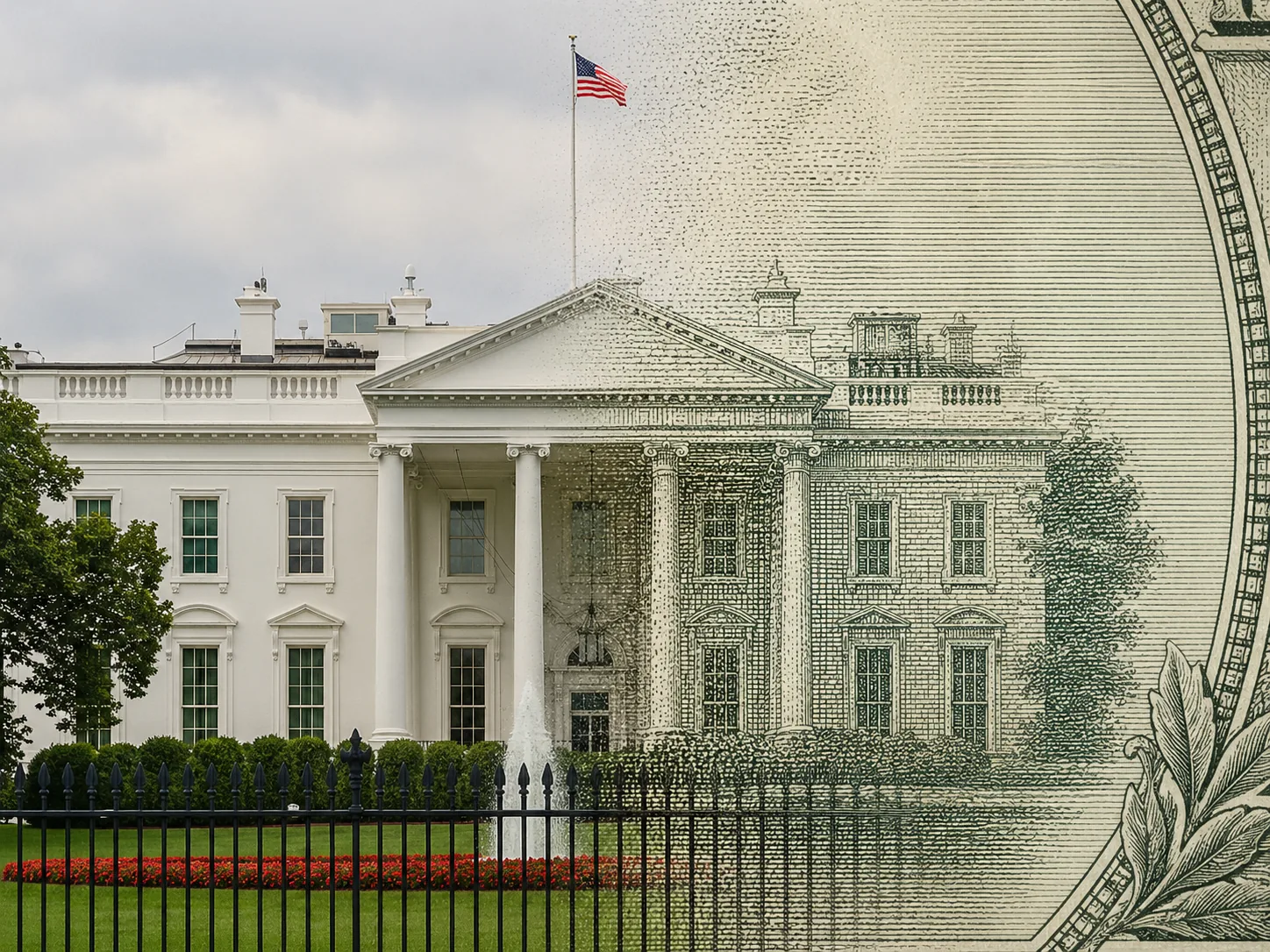
The federal government has not shut down, but parts of Washington are already behaving as if it might.
Agencies have begun reviewing travel, contracts, temporary assignments and staffing plans while congressional negotiators try to close a spending agreement before current funding expires. Publicly, leaders in both chambers continue to say there is still time for a deal. Inside federal offices, contingency planning is already underway.
Contingency planning is routine near a funding deadline, but it also means agencies are close enough to the edge that ordinary decisions are beginning to change.
The immediate dispute is familiar: how much the government should spend, which programs should absorb reductions and whether temporary funding should be extended while Congress continues negotiating a longer agreement.
This time, several separate disputes have been folded into the same negotiation.
A spending fight with several spending fights inside it
Congressional leaders are negotiating overall funding levels while individual blocs press competing demands on defense, domestic programs, infrastructure commitments and emergency spending.
President Evelyn Grant has urged Congress to pass a short extension if a broader agreement cannot be reached in time. That would keep agencies operating while negotiations continue, but a stopgap bill has problems of its own.
Fiscal conservatives want firmer spending limits before supporting another temporary measure. Other lawmakers argue that another extension would simply move the same dispute to a later date while leaving agencies unable to plan beyond a few weeks.
The White House also has to manage members of Grant's governing coalition who agree that a shutdown would be damaging but disagree sharply about what should be protected from cuts.
Most lawmakers say they want to avoid disruption. Agreement thins out quickly when the conversation turns to which spending priorities should give way.
What actually stops
A shutdown does not mean the entire federal government closes at once.
Work necessary to protect life and property can continue, as can activities funded outside the annual appropriations process. Social Security payments do not simply disappear. Air traffic controllers remain at work. Active-duty military personnel continue reporting.
The disruption is concentrated elsewhere and can vary considerably from one agency to another.
Some federal employees are furloughed. Others continue working while their pay is delayed. New contracts can slow, travel can be canceled and routine administrative work can accumulate. Permit reviews, grant processing, research support and public-facing services may operate with fewer people or stop until funding resumes.
Agencies begin making those distinctions before the deadline because thousands of supervisors need to know which employees report, which systems remain staffed and which obligations can legally continue.
Preparing those plans takes time, so some disruption begins before the legal funding deadline arrives.
What a shutdown actually means
Temporary programs feel the pressure first
Programs operating on temporary authority or shared funding can be especially vulnerable during a budget standoff.
A permanent office with an established appropriation may know exactly what happens during a lapse. A newer initiative drawing personnel from several agencies can face a more complicated question: which organization is still authorized to pay for the work, and under what authority?
That can lead agencies to pull employees back to their home offices, postpone interagency work or delay contracts even before a formal lapse occurs.
None of those decisions requires a political campaign against a particular program. Budget uncertainty tends to favor activities with clear statutory authority, established funding and an obvious place in an agency's shutdown plan.
Newer initiatives often enter the review with fewer established protections.
The cost of stopping and starting
Shutdown debates are often reduced to the number of furloughed workers or the number of days agencies remain closed. Those numbers are visible. The administrative costs are harder to summarize.
A canceled trip may have to be rebooked. A contract action can return to the end of a queue. A laboratory that suspends a test may not be able to restart it at the same point. A procurement delayed for a week can lose a production slot that will not reopen for a month.
The longer the shutdown lasts, the more of those small disruptions begin to stack.
Federal workers eventually receive back pay under current law, but delayed work does not automatically return to its old place on the calendar.
Even a short shutdown can leave work displaced long after the doors reopen. A Monday restart does not put every interrupted schedule back where it was on Friday.
Grant's leverage is limited
The president can negotiate, threaten a veto, pressure members of her coalition and make the political case for a particular spending agreement. She cannot appropriate money by executive order.
Congress has to pass the funding legislation.
Grant therefore carries much of the public responsibility for keeping government open without having the authority to produce the missing congressional votes herself.
The White House has tried to frame the dispute around continuity, arguing that negotiators can continue fighting over the longer budget without forcing agencies to absorb the consequences in the meantime.
Opponents of another temporary extension argue that the threat of a deadline is one of the few sources of leverage available to lawmakers seeking spending concessions.
The leverage comes from the consequences. Without them, the deadline would carry far less weight in the negotiations.
How close is close?
Shutdown negotiations often look stuck until they move very quickly.
Leaders can announce a framework, draft a short continuing resolution and move it through Congress in a matter of days if enough members decide the alternative is worse. They can also lose days arguing over provisions that seem small compared with the size of the federal budget.
Neither side has walked away from negotiations, and a deal remains possible. Agencies are nevertheless planning for the chance that the talks do not finish in time.
For agency managers, the practical deadline arrives before the legal one.
Travel gets canceled before funding expires. Managers delay commitments they are not sure they can honor. Contractors wait for instructions. Federal employees begin asking whether they should report to work the morning after the deadline.
Washington still has time to avoid a shutdown, but some of the disruption caused by preparing for one is already underway.