Science / The Moon

Themelion Enters a New Phase

Once dismissed as an expensive experiment, the lunar settlement is becoming something harder to ignore: permanent infrastructure beyond Earth.
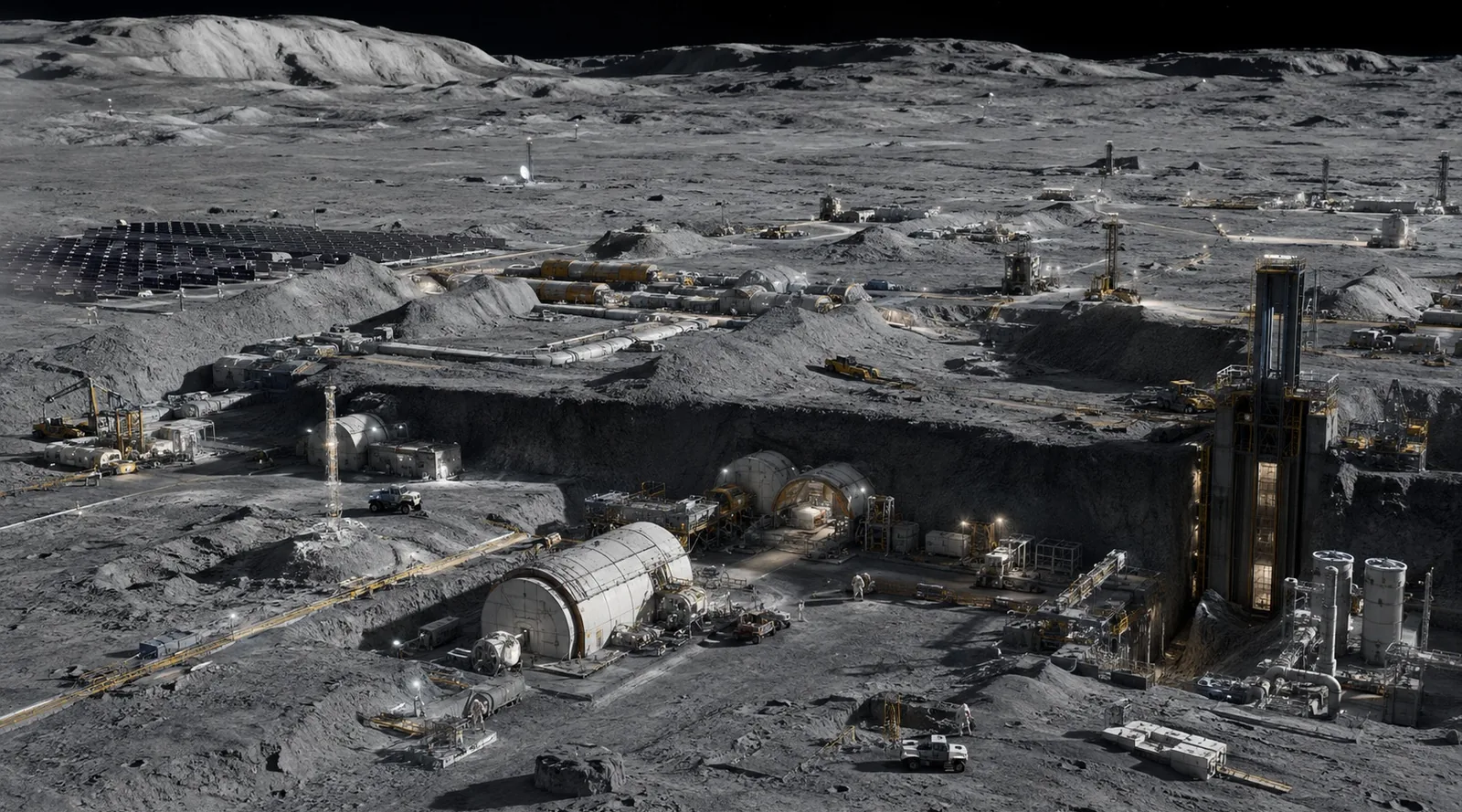
Themelion lunar settlement
Themelion Base in the lunar south polar region. Halden Ledger file image.

Themelion was never supposed to look permanent this soon. Its earliest modules were designed around short-duration crews, narrow operational margins, and the assumption that almost everything important would still come from Earth. That assumption is beginning to change.

New construction, expanded logistics capacity, and a growing industrial footprint have turned the outpost into a test of whether human activity beyond Earth can become routine rather than exceptional.

Read the full story


More from the Ledger
Investigations / Technology
Photo illustration of an automated license-plate reader detecting a vehicle plate

The Cameras Were Local. The Network Isn’t.

A Halden Ledger analysis found Flock camera systems operating in 98 of the nation’s 100 largest metropolitan areas, the result of thousands of decisions by police departments, cities, businesses and neighborhoods.

Astronomy
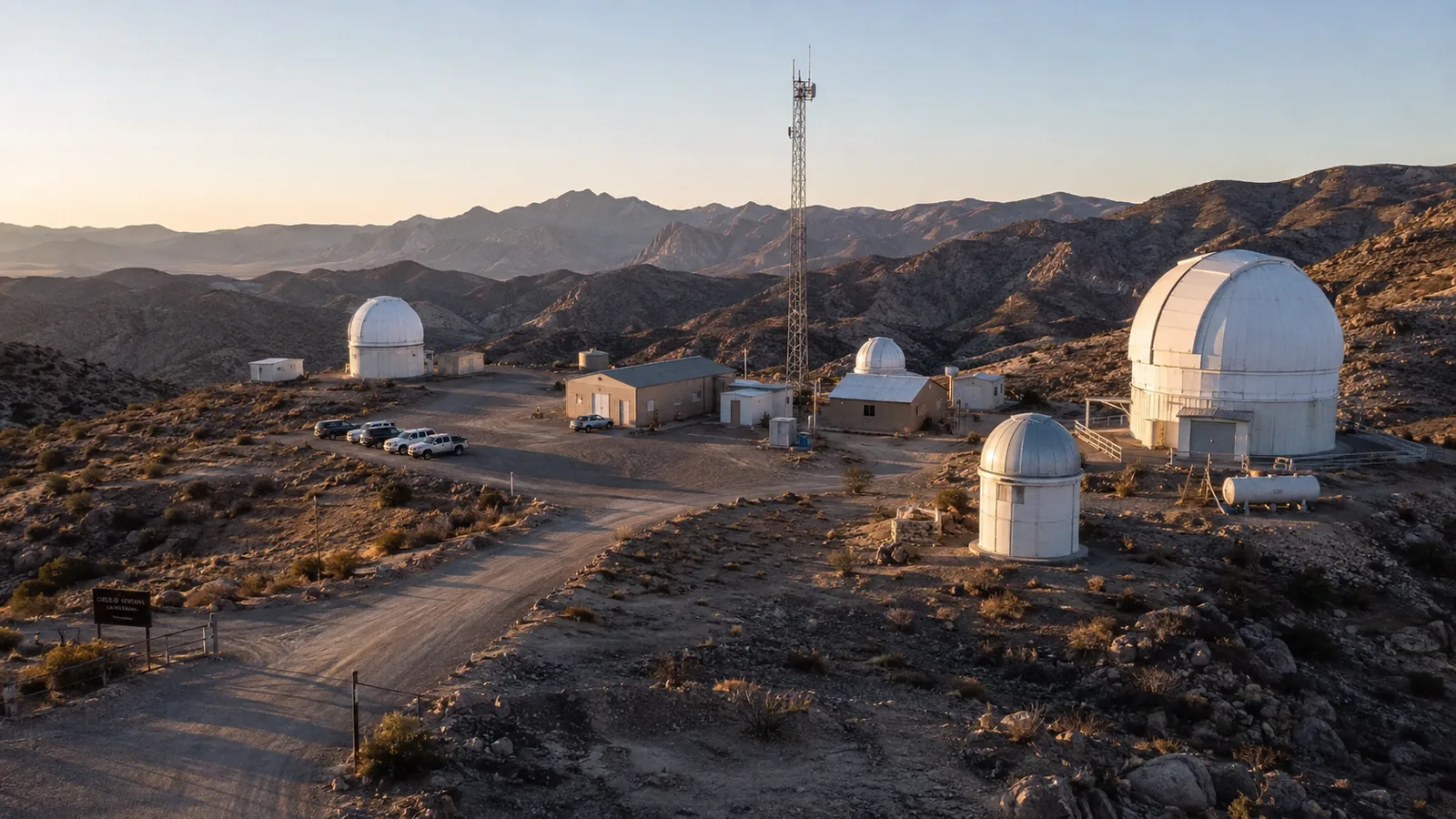
Cielo Ventana Observatory in the high desert

At Cielo Ventana, the Hunt Is Moving Beyond the Catalogs

Astronomers Sofia Maren and Elias Navarro are part of a team reexamining what automated surveys leave behind: weak signals, incomplete tracks and observations that do not fit neatly into existing categories.

Technology
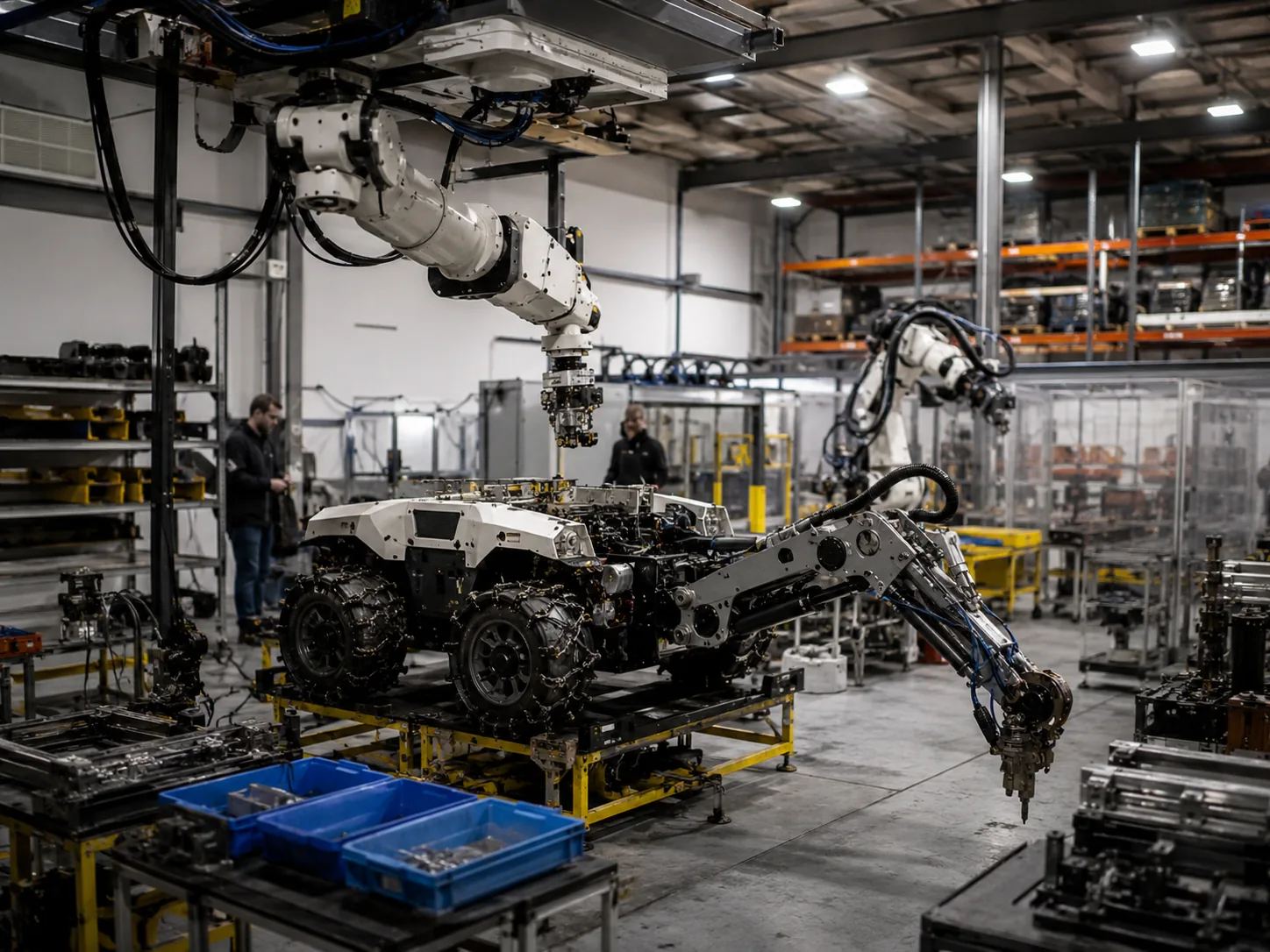
Automated warehouse assembly line building a compact mining robot

Can Machines Build the Machines?

Nyvolis-backed automation research is exploring a difficult idea with enormous implications: industrial systems that can expand their own manufacturing capacity with less help from Earth.

Technology
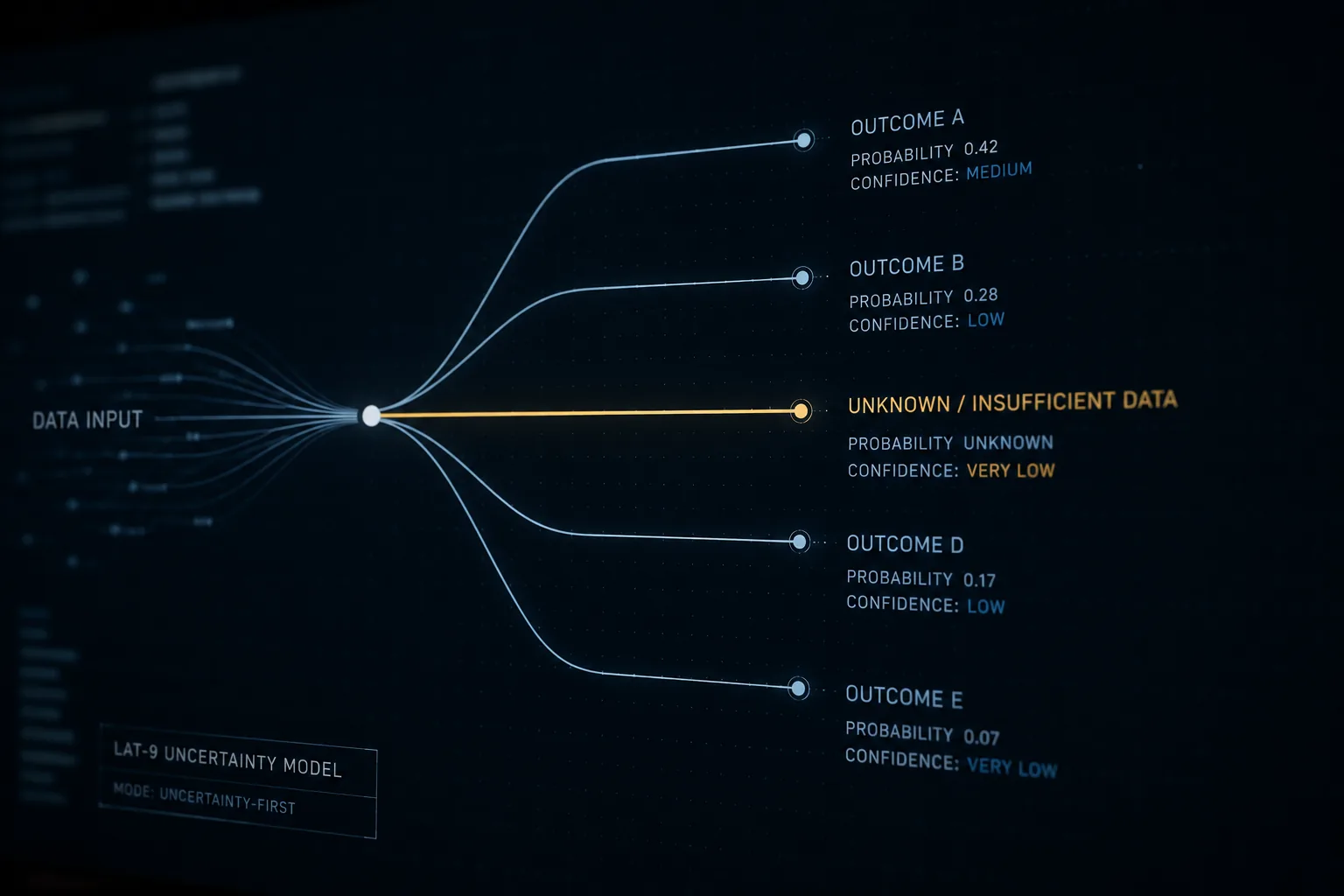
An abstract branching data visualization showing multiple possible AI outcomes and an unknown path

Nyvolis Bets on an AI That Shows Its Doubts

LAT-9 is designed to surface uncertainty instead of hiding it. Nyvolis says that makes the system more useful when the evidence is incomplete — and harder to mistake for an oracle.

Investigations
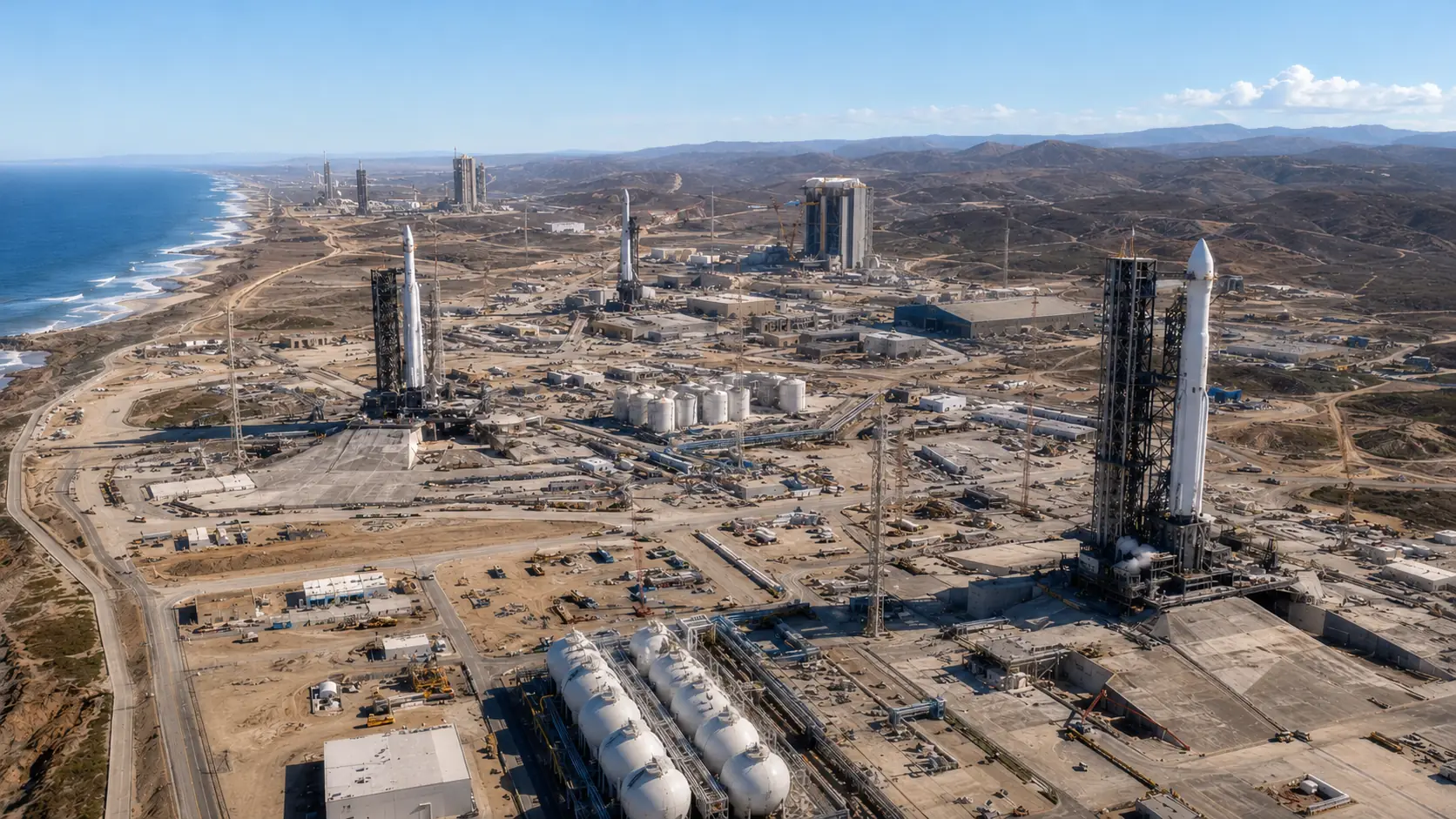
A wide daytime view of Horizon Point, showing multiple launch pads, rockets, industrial buildings, propellant tanks and coastal infrastructure

Avelor’s Expansion Is Outpacing Its Public Plans

A review of supplier contracts, infrastructure filings and launch-site expansion suggests Avelor is building capacity far beyond what its published near-term plans appear to require.

Science / Environment
A cluster of quagga mussels attached to a rocky underwater surface

The Mussels That Keep Moving West

Quagga mussels have already transformed reservoirs across the Southwest. Water managers are spending more time and money trying to keep them out of the systems they have not reached.

Politics / Government
The White House fading into the engraved design of a dollar bill

Washington Is Running Out of Time to Avoid a Shutdown

Negotiators are still talking, but federal agencies have begun preparing for a lapse in funding as disagreements over spending levels and the next budget deal remain unresolved.

Culture / Technology
A portrait split between a human and an android, representing human verification on dating apps

Dating Apps Are Adding “Human Verified” Profiles

As synthetic photos, voices and profile text become harder to spot, dating platforms are asking users to prove something that once went without saying: that there is a real person behind the account.

Health / Society
A mobile healthcare technician drawing blood from a patient during an in-home medical visit

The Waiting Room Is Moving Into the Home

More primary care is shifting toward continuous monitoring, home diagnostics and AI-assisted triage. Patients are seeing doctors less often in person — but being watched more closely between visits.

Economy / Global Trade
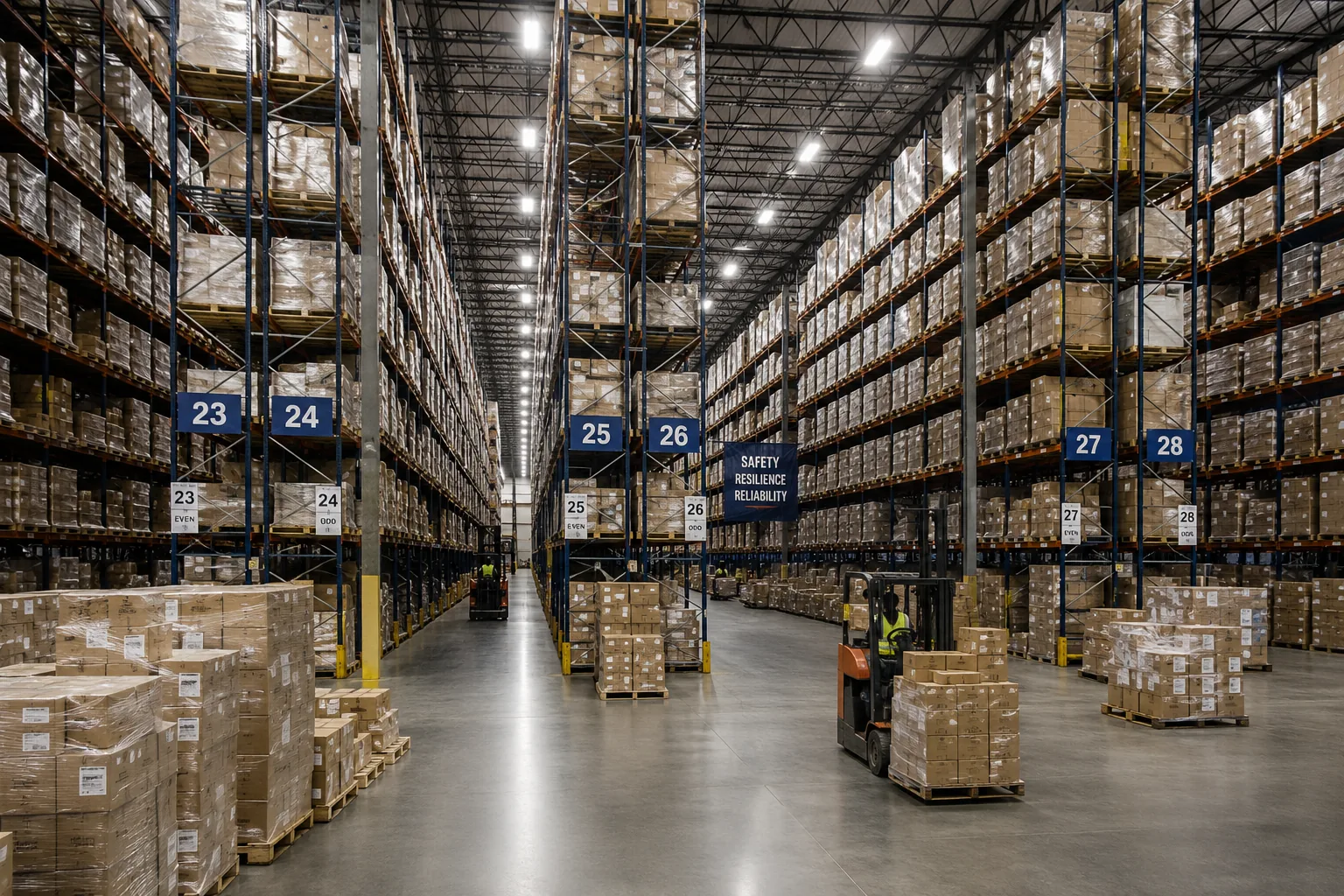
A large warehouse filled with palletized inventory and backup stock

The World Economy Is Becoming More Expensive on Purpose

Governments and companies spent decades cutting inventory, concentrating suppliers and chasing the lowest possible cost. Now they are paying for backup factories, alternate shipping routes and production capacity they hope they will never fully need.